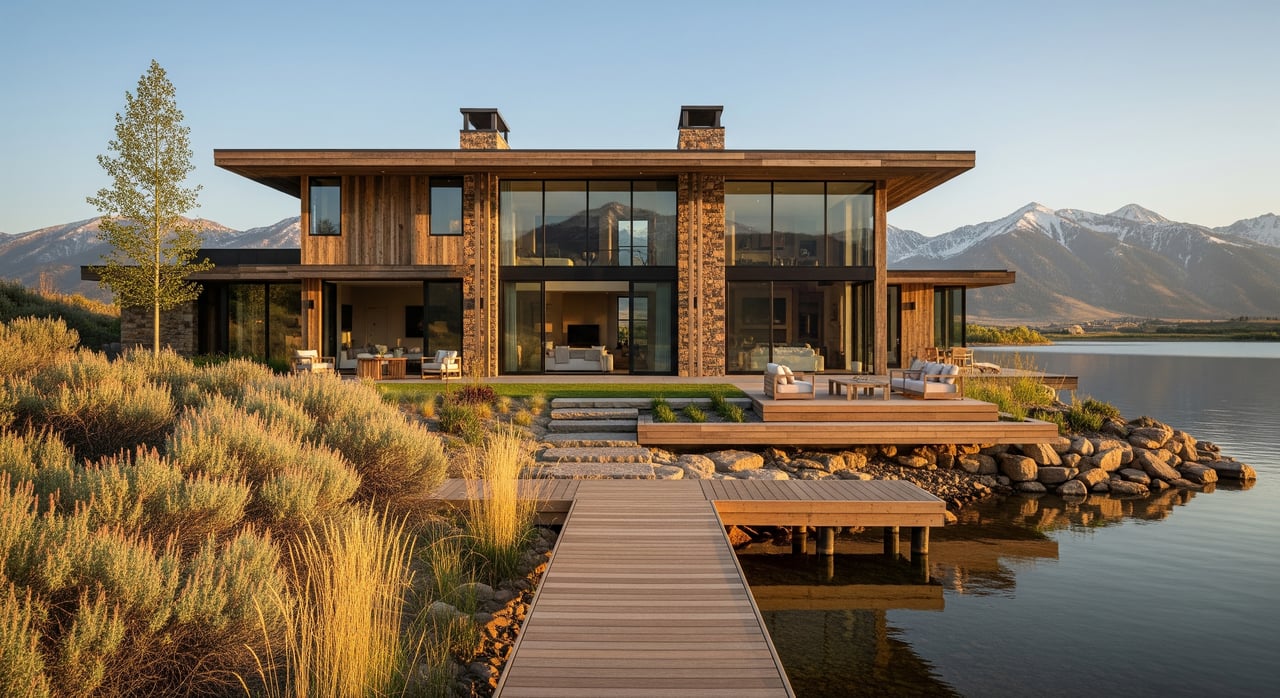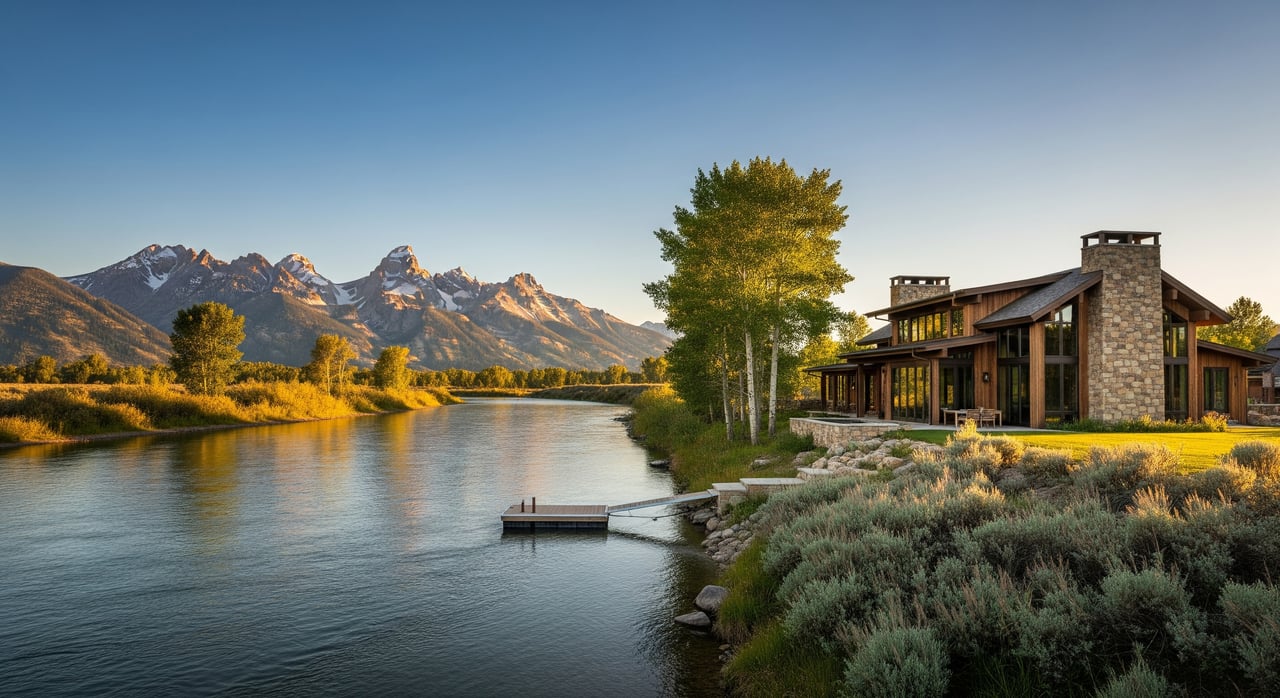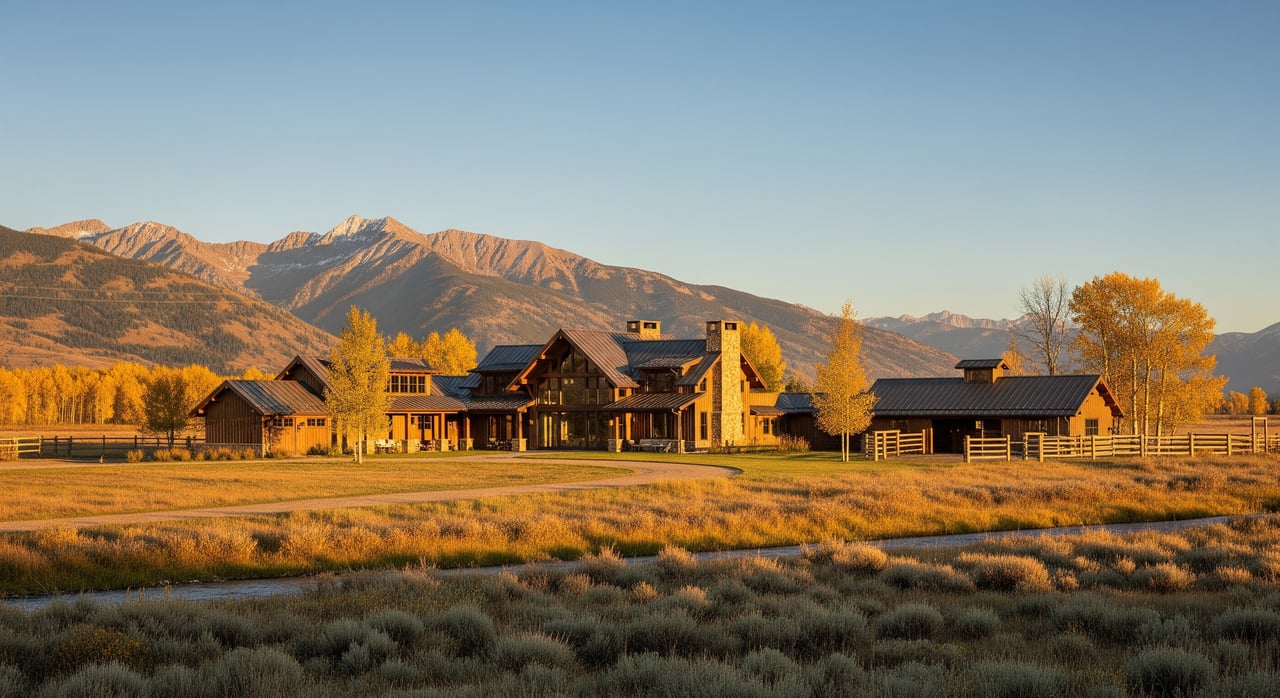
Shopping for a legacy home in Afton or a riverfront ranch in Star Valley? If your price point rises above the conforming mortgage limit, you enter jumbo territory, which plays by a different set of rules. You want clarity on how jumbo loans work, what lenders expect, and how to keep your timeline on track. This primer gives you the essentials, tailored to Lincoln County and Star Valley, so you can move forward with confidence. Let’s dive in.
What is a jumbo loan?
A jumbo loan is a mortgage that exceeds the conforming loan limit set each year by the Federal Housing Finance Agency. Amounts above that limit do not fit into Fannie Mae or Freddie Mac guidelines and are classified as jumbo.
Lincoln County typically follows the standard, or baseline, conforming limit rather than a high‑cost limit. Because limits change annually, verify the current year’s threshold when you shop and compare it to your target price.
How jumbos differ from conforming
Jumbo loans are not sold into standard Fannie or Freddie pools, so lenders price and underwrite them with more discretion. You can expect tighter credit standards, larger down payments, and more documentation.
Property rules also tend to be stricter, especially for rural or unique homes. In Star Valley, that often includes acreage, equestrian facilities, guest cabins, or custom mountain builds that require additional appraisal care.
What lenders look for
Jumbo lenders focus on strength and stability. Key factors include:
- Credit score: many programs price best with 700–740 or higher.
- Down payment: 10 to 20 percent is common, with best pricing often at 20 percent or more.
- Cash reserves: plan for 6 to 12 months of mortgage payments on hand after closing.
- Debt‑to‑income ratio: many programs aim for 43 to 50 percent. Some offer flexibility for strong assets or complex income.
Documents to gather early
Getting organized up front speeds up underwriting and makes your offer stronger. Prepare:
- Fully executed purchase contract when you go under contract.
- Government ID and Social Security number.
- Two years of federal tax returns, plus W‑2s and two recent pay stubs if you are a W‑2 earner.
- Two to three months of bank and asset statements, with explanations for large deposits.
- Retirement and investment account statements that separate liquid and non‑liquid assets.
- Gift letters if any funds are gifted.
- Business P&Ls and K‑1s if you are self‑employed.
- Evidence of post‑closing reserves.
Property and appraisal in Star Valley
Luxury and acreage properties near Afton often have limited comparable sales. Appraisers may need to pull comps from a wider radius or spend more time analyzing unique features like barns, arenas, guest cabins, and log or nontraditional construction.
- Appraisal timelines can stretch to 7–21 days or longer depending on appraiser availability and property complexity.
- Some lenders place limits on manufactured or modular homes and require extra review for log homes or unusual construction.
- Private road agreements, winter access, deed restrictions, water rights, and conservation easements can trigger added title or legal review.
On‑site systems like wells and septic are common. Expect to document functionality and capacity. Lenders may request inspections or seller warranties, especially for multi‑unit or large‑acreage setups.
What drives jumbo rates
Jumbo pricing reflects several levers:
- Overall market rates, including Treasury yields and Fed policy.
- Your credit profile, reserves, and debt‑to‑income ratio.
- Loan details, such as down payment, occupancy, amount, fixed versus ARM, and term.
- Property and appraisal risk, which can be higher for unique rural homes.
- Lender type and funding source. Portfolio banks, national banks, and specialty investors price risk differently.
In stable markets, jumbo rates can track close to conforming rates with a small spread. In volatile markets, spreads can widen and move quickly.
Timeline to plan for
Every file is different, but a realistic cadence helps you avoid surprises:
- Pre‑approval with full documentation: about 1–3 business days if you are organized.
- Appraisal: often 7–21 days in rural areas and for complex properties.
- Underwriting to clear‑to‑close: commonly 2–4 weeks for straightforward files, longer if income or property is complex.
- Closing: build in extra time compared with a conforming loan to accommodate appraisal and documentation hurdles.
Benefits of early lender alignment
Engaging a jumbo‑experienced lender early can sharpen your offer and trim risk.
- Stronger offers: a full, documented pre‑approval signals readiness to sellers.
- Fewer surprises: early review can flag property issues like manufactured structures, well and septic questions, or easements.
- Rate strategy: your lender can guide lock timing and scenarios in a shifting market.
- Appraisal planning: local familiarity helps estimate lead times and set expectations.
Buyer checklist for Afton and Star Valley
Use this quick list before you write an offer:
- Secure a full pre‑approval from a lender with jumbo and rural property experience.
- Assemble two years of tax returns, recent pay stubs, and 2–3 months of bank and asset statements.
- Ask about the lender’s appraisal network and typical Star Valley timelines.
- Share property details early if there are ranch improvements, guest cabins, manufactured structures, or extensive outbuildings.
- Prepare a contingency plan, such as additional cash reserves or a larger earnest money deposit if needed.
- Coordinate with your agent to include the pre‑approval letter and lender contact with your offer.
Lender types and trade‑offs
Different lender channels bring different strengths. Consider:
- Local community banks or credit unions: often flexible with nonstandard properties and may hold loans in portfolio.
- Regional or national banks: broad product menus and sometimes sharper pricing, with stricter overlays on unique rural homes.
- Mortgage brokers: can shop multiple investors to match your profile and property.
- Portfolio or non‑QM lenders: useful for complex or irregular income and unique property types, usually at higher rates.
Product options to discuss
Match the loan to your hold horizon and cash strategy.
- Fixed‑rate jumbos for long‑term ownership and payment stability.
- Adjustable‑rate mortgages for lower initial rates if you plan a shorter hold or refinance strategy.
- Bank‑held portfolio loans for properties outside standard guidelines.
- Interest‑only or asset‑qualifying options from select lenders for high‑net‑worth borrowers, with careful attention to risk and terms.
Insurance, title, and risk checks
Premium, custom, and log homes can carry higher replacement costs, which affects insurance and qualifying. In some areas, wildfire or wind exposure can influence coverage availability and price. FEMA flood determinations still apply in rural settings, so check maps early to see if flood insurance will be required. On title, mineral rights, rights‑of‑way, or conservation easements may require additional lender review.
Work with a local team you trust
Jumbo financing in Afton and across Star Valley benefits from hands‑on guidance. A senior‑led team that understands local appraisals, rural infrastructure, and seasonal access can help you anticipate lender questions and build a clean, compelling offer package.
If you are exploring a luxury residence, riverfront acreage, or an equestrian estate, we can help you align the right lending partners, set timelines, and navigate property nuances from the first showing to closing. Ready for a discreet, high‑touch plan for your purchase? Connect with DeMello & Co. to Request a Private Consultation.
FAQs
What is a jumbo loan in Lincoln County?
- A jumbo loan exceeds the annual FHFA conforming limit, and Lincoln County typically follows the standard baseline limit that changes each year.
How much down payment do jumbo lenders expect?
- Many programs start at 10 to 20 percent down, with best pricing often at 20 percent or more, plus required cash reserves.
How long do Star Valley jumbo appraisals take?
- Rural and unique properties often require 7–21 days or longer because appraisers may travel farther and analyze complex improvements.
Can I use a jumbo loan for a second home?
- Yes, many lenders offer jumbo options for primary or second homes, though pricing and reserve requirements can differ by occupancy.
What property features can complicate approval?
- Manufactured or nontraditional construction, extensive outbuildings, private road agreements, wells, septic, or conservation easements often trigger extra review.
How do jumbo rates compare to conforming rates?
- In stable markets they can be close, but jumbos usually include a spread that can widen during market stress due to higher lender risk.